
A Sport Testing Its Boundaries
The ultrarunning world has entered 2026 with a whirlwind of performances, controversies, and existential questions that underscore just how rapidly this sport is evolving. From the frozen moors of northern England to the subtropical trails of Hong Kong, athletes continue pushing human limits while the community grapples with what it means to grow without losing its soul.
Hong Kong 100k Delivers Historic Finish
The 2026 Hong Kong 100k produced one of the most remarkable finishes in recent ultrarunning memory. According to iRunFar's coverage, Veronika Leng and Hậu Hà crossed the finish line together in a dramatic tie for the women's title, while Gui-Du Qin delivered a dominant performance in the men's race that signals a shifting center of gravity in global ultrarunning.
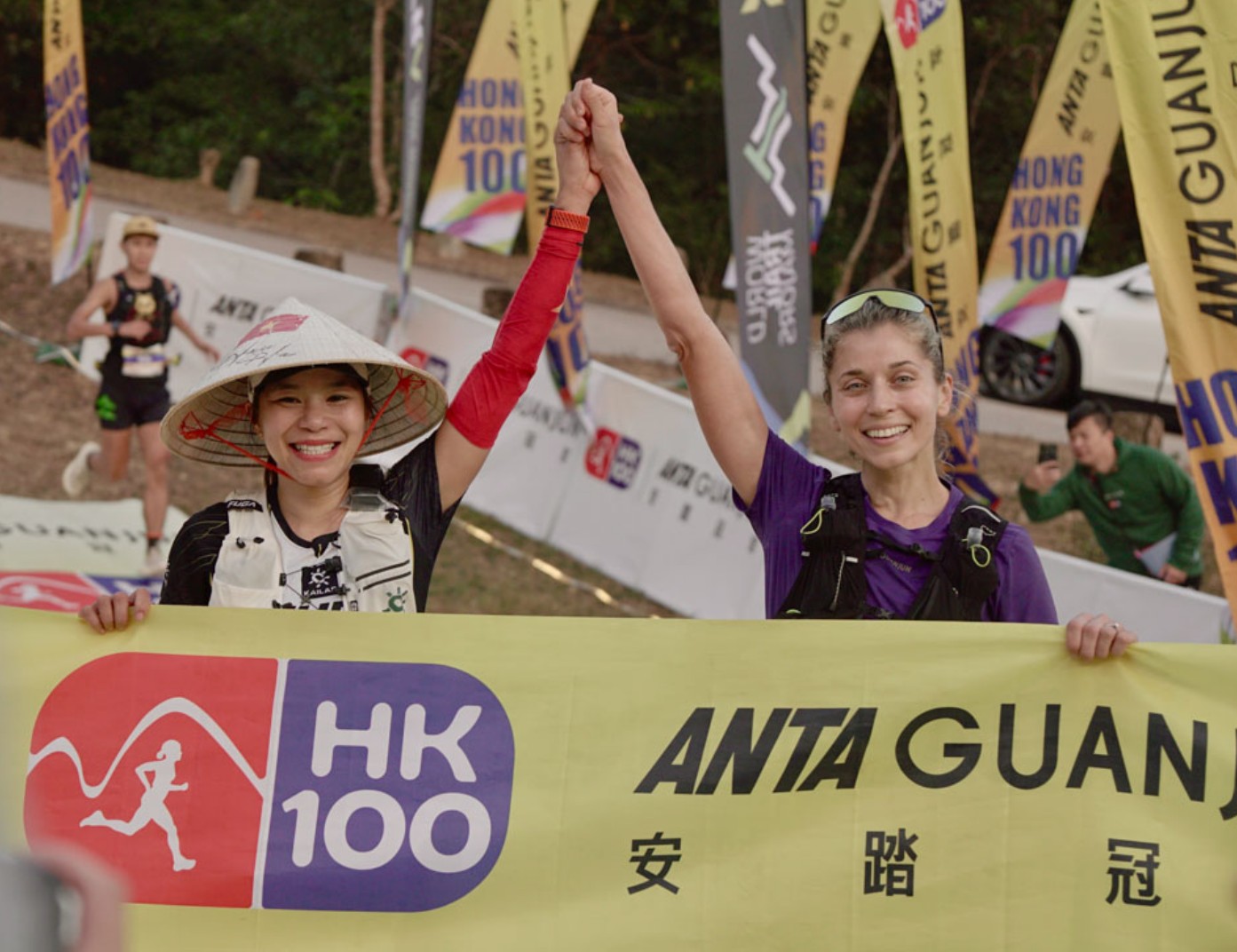
The race, part of the prestigious Ultra-Trail World Tour, has become a proving ground for Asian athletes who are increasingly challenging Western dominance in mountain ultrarunning. Qin's commanding victory wasn't just a win—it was a statement about the depth of talent emerging from China's rapidly maturing trail running scene.
Spine Race: Triumph, Tragedy, and Troubling Questions
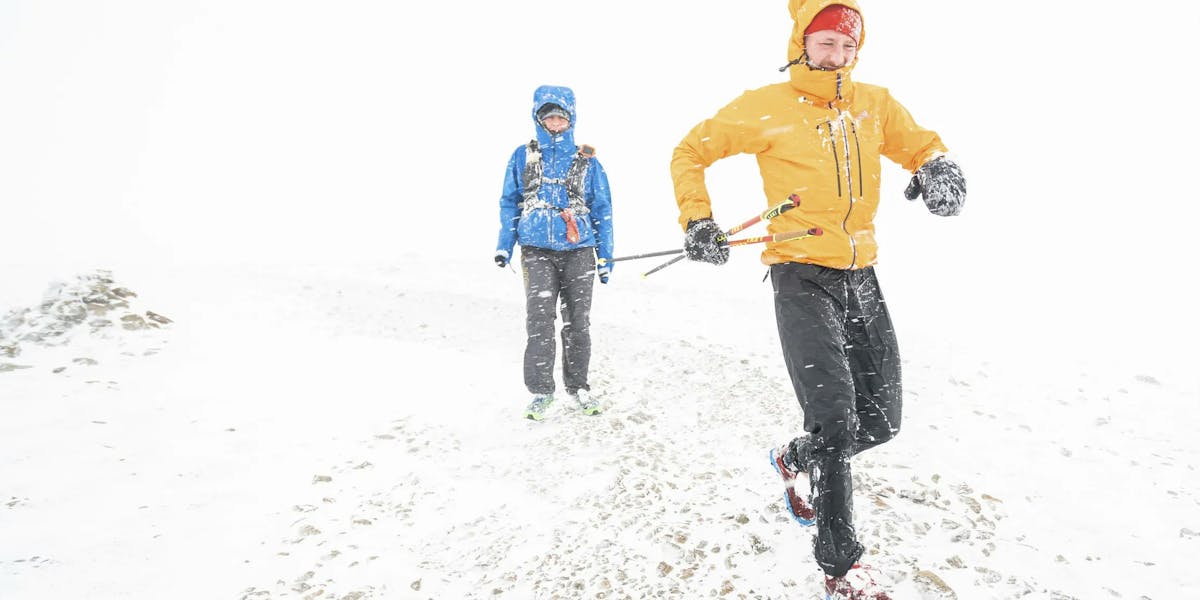
Britain's Spine Race, a 268-mile monster along the Pennine Way, once again delivered drama beyond the course. Sébastien Raichon of France and Britain's Anna Troup emerged victorious in conditions that pushed competitors to their absolute limits.
But the race made headlines for reasons that extend far beyond athletic achievement. British runner and human-rights advocate Sarah Porter was pulled from the event following death threats, a disturbing development that iRunFar reports has sparked urgent conversations about athlete safety and the responsibilities of race organizations when competitors face harassment unrelated to the physical challenges of the course.
The incident raises uncomfortable questions for a sport that prides itself on community values. How do race directors balance participant safety against threats that originate outside their events? What obligations do organizers have when athletes become targets for their activism or public stances?
Lake District Record Falls in Winter Conditions
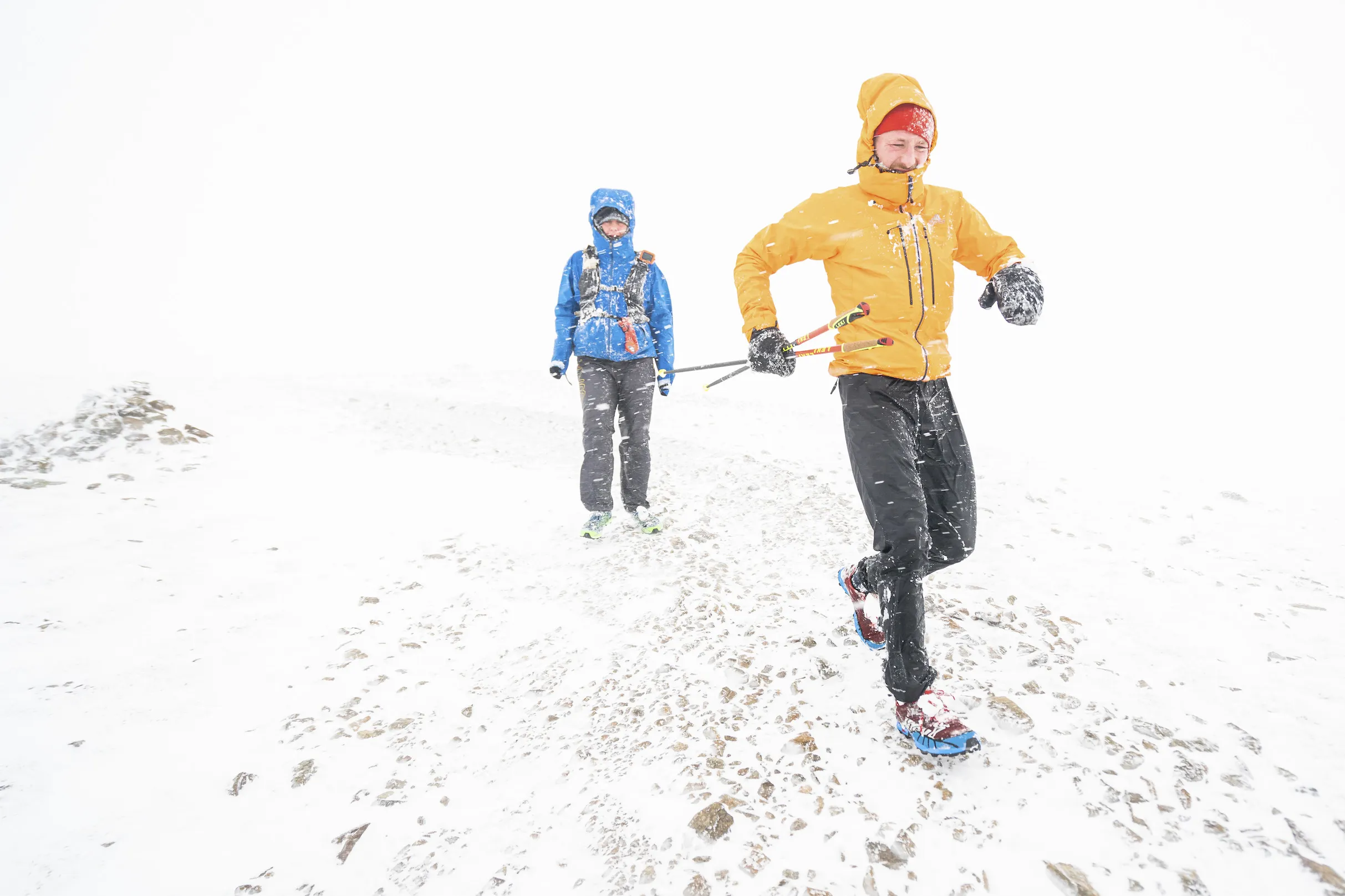
While international attention focused on Hong Kong and the Spine, James Gibson quietly accomplished something extraordinary in the Lake District. RunUltra reports that Gibson set a historic Winter Double Bob Graham Round record, completing the legendary fell-running challenge twice in succession under the most demanding winter conditions.
For those unfamiliar, the Bob Graham Round involves summiting 42 Lake District peaks within 24 hours, covering roughly 66 miles with 27,000 feet of elevation gain. Gibson did it twice. In winter. The achievement represents a new benchmark in British fell-running and demonstrates that even in a sport defined by pushing boundaries, there are still frontiers to explore.
The Boom and Its Discontents
Perhaps the most thought-provoking discussion emerging this month comes from iRunFar's analysis asking a fundamental question: How does trail running survive this boom with its soul intact?
The sport's explosive growth brings undeniable benefits including more events, better gear, increased accessibility, and growing recognition for athletes. But it also brings commercialization pressures, overcrowded trails, and the risk that ultrarunning's countercultural DNA gets diluted into just another fitness trend.
This tension manifested in December's news that Swiss Canyon Trail announced its departure from the World Trail Majors circuit. The move, covered by RunUltra, signals that not everyone is comfortable with the sport's increasingly professionalized structure. Whether this represents healthy diversity or troubling fragmentation remains to be seen.
Gear Evolution: Refinement Over Revolution
On the equipment front, 2026 is shaping up as a year of refinement rather than revolution. iRunFar's Best Trail Running Shoes of 2026 guide highlights the Hoka Mafate 5, Salomon Pulsar, and Brooks Cascadia 1 relaunch, the latter a nostalgia-driven return to the shoe that helped define trail running for a generation.
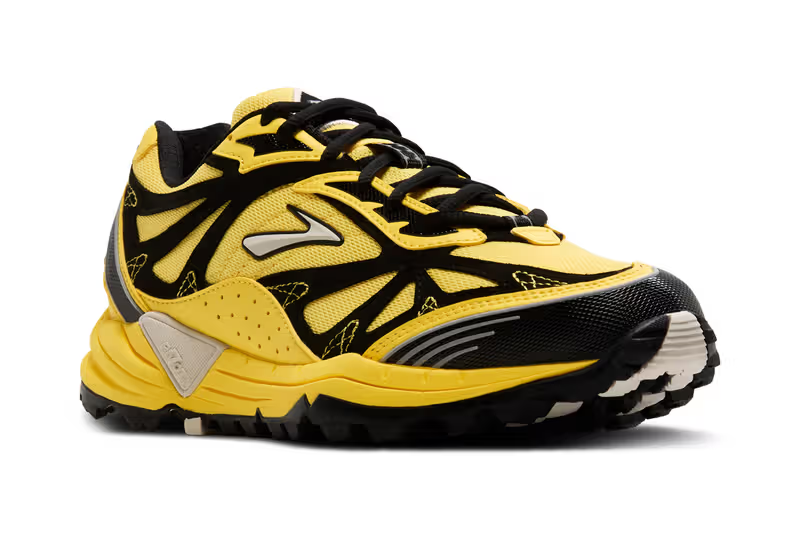
The Brooks Cascadia 1 relaunch is particularly telling. In an era of maximalist cushioning and carbon plates, Brooks is betting that runners still crave the ground feel and simplicity of early trail shoes. It's a calculated gamble that there's appetite for stripping away complexity.
Training Science: Protecting Your Quads and Your Calendar
The training conversation has shifted toward smarter approaches to race preparation. RunUltra's training section features compelling guidance on the Repeated Bout Effect, a physiological phenomenon where muscles adapt to eccentric stress, becoming more resistant to damage from subsequent exposures.
The practical implication? Strategic training that exposes your quads to downhill running before your goal race can dramatically reduce race-day damage and improve recovery. It's the kind of evidence-based approach that separates sustainable ultrarunning from the boom-bust cycles that sideline too many athletes.
Meanwhile, the question of training elevation has generated debate. Are runners doing too much vertical in training? The emerging consensus suggests that matching training terrain to race demands matters more than simply accumulating elevation for its own sake.
Women's Participation: The Growth Story Continues
Research examining over 1.1 million race records confirms what observant race directors already knew: women's participation in ultrarunning continues its dramatic upward trajectory. While women now outnumber men in 5K races, the ultra distances still show room for growth—but that gap is closing faster than many predicted.
This demographic shift is transforming everything from race logistics to marketing approaches. Events like the upcoming Ultra X Rwanda, featuring 110 kilometers of mountain terrain near Lake Ruhondo, are designing experiences that appeal to this expanding participant base.
Looking Ahead: What February Brings
The race calendar heats up with events spanning from the GlobalLimits Sao Tomé stage race in the Gulf of Guinea to domestic trail races across North America and Europe. The North Texas Ultra, OUTLAST Nacogdoches, and Alamo City Ultra offer accessible entry points for athletes building toward spring goal races.
For those thinking longer-term, the conversation sparked by Sarah Porter's Spine Race experience may prove a watershed moment for how the sport addresses athlete safety beyond physical risks. Meanwhile, the departure of established races from organized circuits suggests we're entering a period of structural experimentation that could reshape competitive ultrarunning.
The Takeaway
January 2026 reminded us that ultrarunning exists in a state of perpetual evolution. Records fall in conditions that would stop most people cold. Athletes face threats that have nothing to do with blisters or bonking. And the community wrestles with growth that brings both opportunity and risk.
What remains constant is the sport's ability to attract individuals willing to push boundaries, whether that's 268 miles across frozen British moorland, a precisely executed 100k in Hong Kong's mountains, or simply getting out the door for another training run when everything in you says stop.
The athletes, organizers, and fans who make this community vibrant continue writing ultrarunning's story, one mile at a time.