
The Sport That Never Sleeps
January has delivered a whirlwind of ultrarunning drama, record-breaking performances, and industry shake-ups that remind us why this sport continues to captivate athletes and fans worldwide. From the frozen trails of Britain's Spine Race to the sun-soaked highways of Florida's Atlantic coast, the ultrarunning community has kicked off 2026 with intensity.
Spine Race Delivers Triumph and Controversy
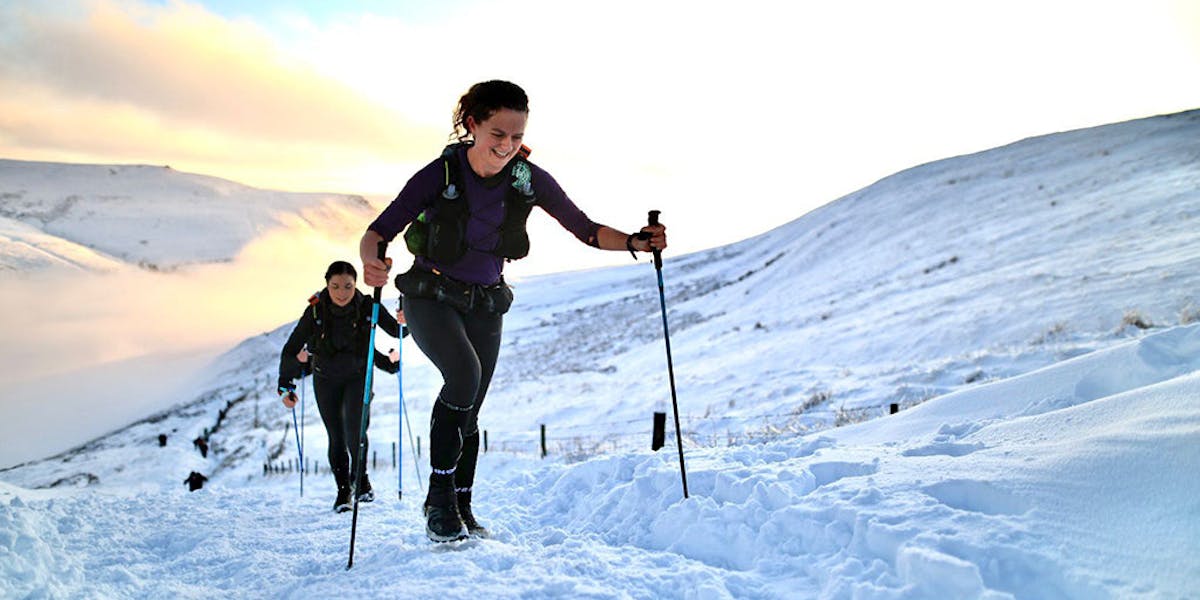
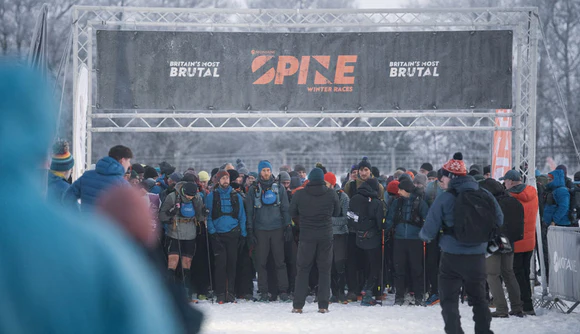
The 2026 Winter Spine Race, that brutal 268-mile traverse along Britain's Pennine Way, has once again proven why it's considered one of the world's most demanding ultramarathons. Sébastien Raichon of France and Britain's Anna Troup emerged victorious in conditions that tested every competitor's resolve.
But the race made headlines beyond the finish line. British runner and human-rights advocate Sarah Porter was pulled from the event following death threats—a disturbing reminder that the ultrarunning community isn't immune to the darker currents affecting broader society. According to iRunFar's coverage, Porter has spoken publicly about the incident, sparking important conversations about athlete safety and the responsibilities of race organizations.
Historic Winter Double Bob Graham Round
While the Spine captured international attention, another remarkable feat unfolded in the Lake District. James Gibson set a historic Winter Double Bob Graham Round record, completing the legendary fell-running challenge twice in succession under winter conditions. RunUltra reports that Gibson's achievement represents a new benchmark in British fell-running history—a discipline where winter attempts add exponentially more difficulty through shorter daylight hours, treacherous conditions, and navigation challenges that would give most runners nightmares.
Full Throttle at Daytona: A Masterclass in 100-Mile Strategy
On the opposite end of the terrain spectrum, the Daytona 100 showcased what's possible when flat, fast courses meet meticulous preparation. Laura Watts delivered a compelling race report that reads like a masterclass in ultra-distance strategy.
Running along Florida's A1A Highway from Jacksonville to the Ponce Inlet Lighthouse, Watts broke down her race into four calculated quarters with specific time goals for each segment. Her pre-race preparation included course reconnaissance, an "experts panel" appearance at registration, and a crew strategy refined through previous ultra experiences including the Badwater 135.
Race Director Bob Becker—at 80 years young, the oldest competitor to finish Badwater 135 last July—continues to create events that draw serious competitors seeking fast times. The December timing capitalizes on Florida's cooler temperatures, making the Daytona 100 a destination race for those chasing sub-20-hour 100-mile finishes.
World Trail Majors Loses a Cornerstone
In a significant industry development, Swiss Canyon Trail has announced its departure from the World Trail Majors circuit. This move signals ongoing evolution in how elite trail races organize and affiliate themselves—a trend worth watching as the sport's competitive structure continues to mature.
The World Trail Majors series has been instrumental in professionalizing trail ultrarunning, but departures like this raise questions about the sustainability of circuit-based competition models. Will we see more independent races chart their own courses, or is this an isolated decision specific to Swiss Canyon Trail's circumstances?
Gear and Science: What's Moving the Needle
iRunFar's gear team has released their Best Trail Running Shoes of 2026 guide, reflecting the industry's continued innovation in footwear technology. Notable releases include the Hoka Mafate 5 and Salomon Pulsar, both receiving in-depth reviews that suggest manufacturers are refining rather than revolutionizing—focusing on durability, weight optimization, and fit precision over dramatic design changes.
Meanwhile, Runner's World's training coverage has emphasized the importance of strength training for older runners—a topic increasingly relevant as ultrarunning's participant base ages and runners seek longevity in the sport. Their guidance on walking for weight loss and running-weight-loss programs reflects broader trends toward making endurance sports accessible to diverse fitness levels.
The Women's Participation Story Continues
Recent research examining over 1.1 million race records has confirmed what observant race directors already knew: women's participation in ultrarunning continues its dramatic upward trajectory. While women now outnumber men in 5K races, the ultra distances still show room for growth—but that gap is closing faster than many predicted.
This demographic shift is transforming race culture, marketing approaches, and community dynamics. Forward-thinking event organizers are responding with women-specific training programs, improved aid station amenities, and mentorship initiatives that connect experienced female ultrarunners with newcomers.
Looking Ahead: What to Watch
As we push deeper into 2026, several storylines merit attention. The Ultra X Rwanda event later this month will test athletes across 110 kilometers of mountain terrain near Lake Ruhondo—a reminder that ultrarunning's global footprint continues expanding into new regions and cultures.
The conversation sparked by Sarah Porter's Spine Race experience may prove a watershed moment for how the sport addresses athlete safety beyond physical risks. Meanwhile, the departure of established races from organized circuits suggests we're entering a period of structural experimentation.
For those building toward spring races, the training philosophy conversation has shifted toward habit-based systems over motivation-dependent resolutions. Research on habit stacking and identity-based training offers practical frameworks for maintaining consistency through the dark winter months.
The Takeaway
January 2026 has reminded us that ultrarunning exists in a state of perpetual evolution. Records fall, controversies emerge, and the community adapts. What remains constant is the sport's ability to attract individuals willing to push boundaries—whether that's 268 miles across frozen British moorland or a precisely executed 100-mile Florida highway race.
The athletes, organizers, and fans who make this community vibrant continue writing ultrarunning's story, one mile at a time. And if January is any indication, 2026 has plenty more chapters to come.