Ultramarathon Research
Experiment based research and science summaries on ultramarathons, ultrarunners and endurance athletics.

Habit Stack Your Way to Your Spring Race Start Line
Transform your ultra training from daily willpower battles into automatic routines. This guide provides phase-specific habit stacking examples for base building, peak training, and race preparation, plus a research-backed 4-week implementation challenge to make consistent training effortless. Motivation runs out but research from the Annual Review of Psychology reveals that habits operate through automatic, context-dependent cues that don't require willpower. By building habit stacks for your ultra training, you'll create a system that makes consistent training the default, not the exception.

The Rise of Women in Ultrarunning: Two Decades of Improving Gender Parity
Research examining over 1.1 million race records from 1999-2019 reveals that women's participation in ultrarunning has undergone dramatic transformation. Women now outnumber men in 5km races, and the male-to-female ratio has decreased across all distances, including ultra-marathons. This comprehensive analysis explores two decades of explosive growth, the factors driving participation increases, remaining challenges in ultra-distance events, and what the data suggests about the future of women in ultrarunning.

Why Habit Stacking Will Get You to Your Spring Race Finish Line (When New Year's Resolutions Won't)
New Year's Resolutions rely on motivation, a finite resource that runs out by February. Research from the Annual Review of Psychology reveals that habits operate through automatic, context-dependent cues that don't require willpower. By building habit stacks for your race training, you'll create a system that makes consistent training the default, not the exception, getting you to your spring race start line in peak condition without the motivation battles that doom resolutions.

Why Gatorade Is Sabotaging Your Ultramarathon: The Simple Carb Problem
For decades, ultrarunners have relied on sports drinks like Gatorade to fuel their epic journeys, but emerging research reveals a troubling truth: the simple sugars in these drinks may be working against you, creating a cascade of metabolic problems that can derail your performance when it matters most.
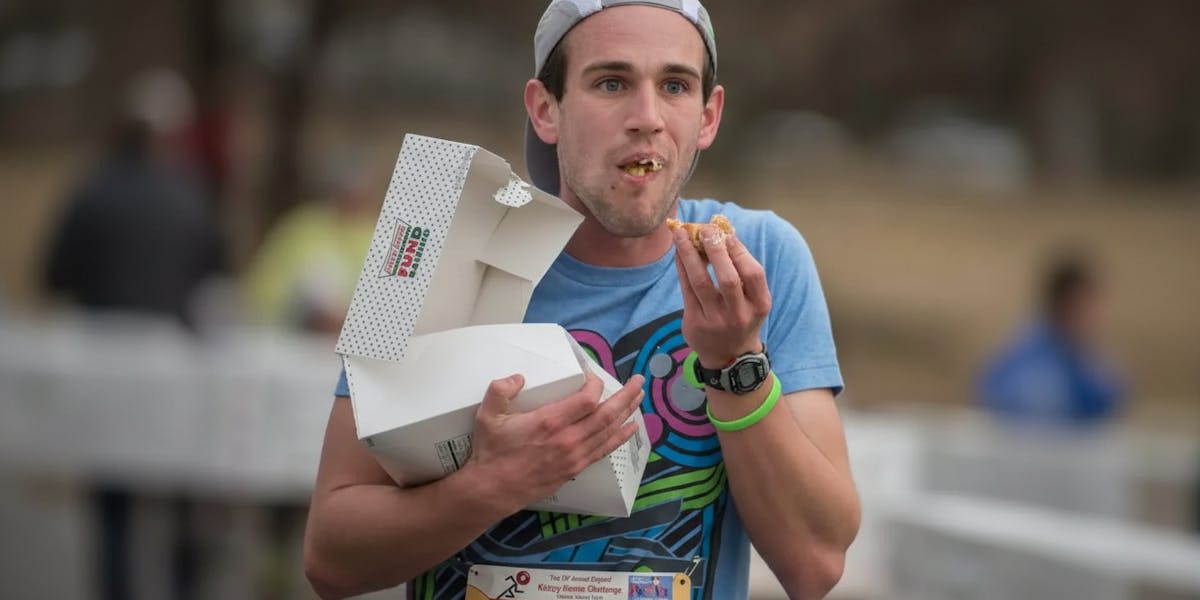
The Carbohydrate Revolution in Ultramarathon Nutrition: What Recent Research Reveals
The American College of Sports Medicine (ACSM) guidelines for carbohydrate (CHO) consumption are per hour of exercise and recommends consuming 60 g CHO/h for the first 2.5 h of exercise and to consume up to 90 g CHO/h when exercise lasts more than 2.5 h but you'll have to train your gut first to improve fluid and CHO tolerance to avoid GI discomfort and get the benefit of enhanced performance.