
The Sport Accelerates Into Spring
As February unfolds, the ultrarunning world finds itself in that familiar pre-season tension, elite athletes sharpening for marquee events, weekend warriors grinding through base miles, and the broader community digesting a flurry of news that ranges from awe-inspiring to thought-provoking. This month's dispatches reveal a sport maturing rapidly while wrestling with questions that have no easy answers.
Black Canyon 100K: The Deepest Field Yet
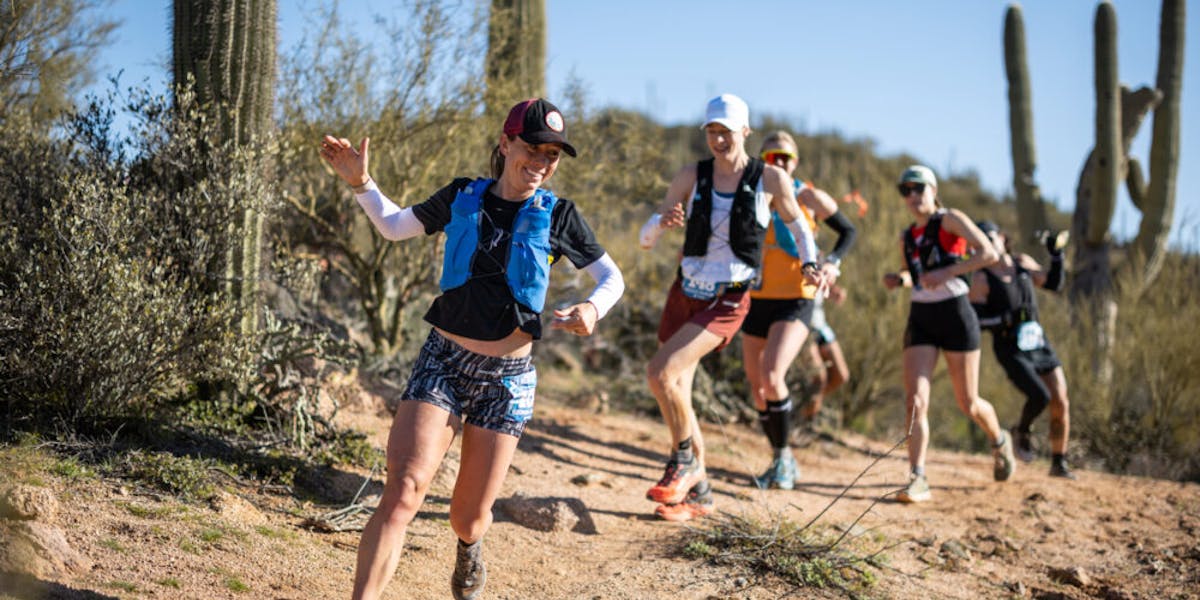
All eyes turn to Arizona this weekend as the Black Canyon Ultras prepare to host what Canadian Running Magazine describes as the deepest field in the race's history. With Western States Golden Tickets on the line, the start list reads like an ultrarunning all-star roster.
The Black Canyon course which is a point-to-point traverse through the Sonoran Desert's Black Canyon National Recreation Trail, has earned its reputation as a fast, competitive proving ground. Course records are expected to fall. The men's and women's fields feature athletes who've spent the winter honing fitness at altitude camps and grinding tempo work on trails from Colorado to the Swiss Alps.
What makes this year's edition particularly compelling is the convergence of established elites and emerging talents. The race has become a bellwether for the spring ultra season, with performances here often predicting who'll be standing on podiums at UTMB qualifiers and domestic championships come summer.
Erin Ton's Aconcagua FKT: A New Standard
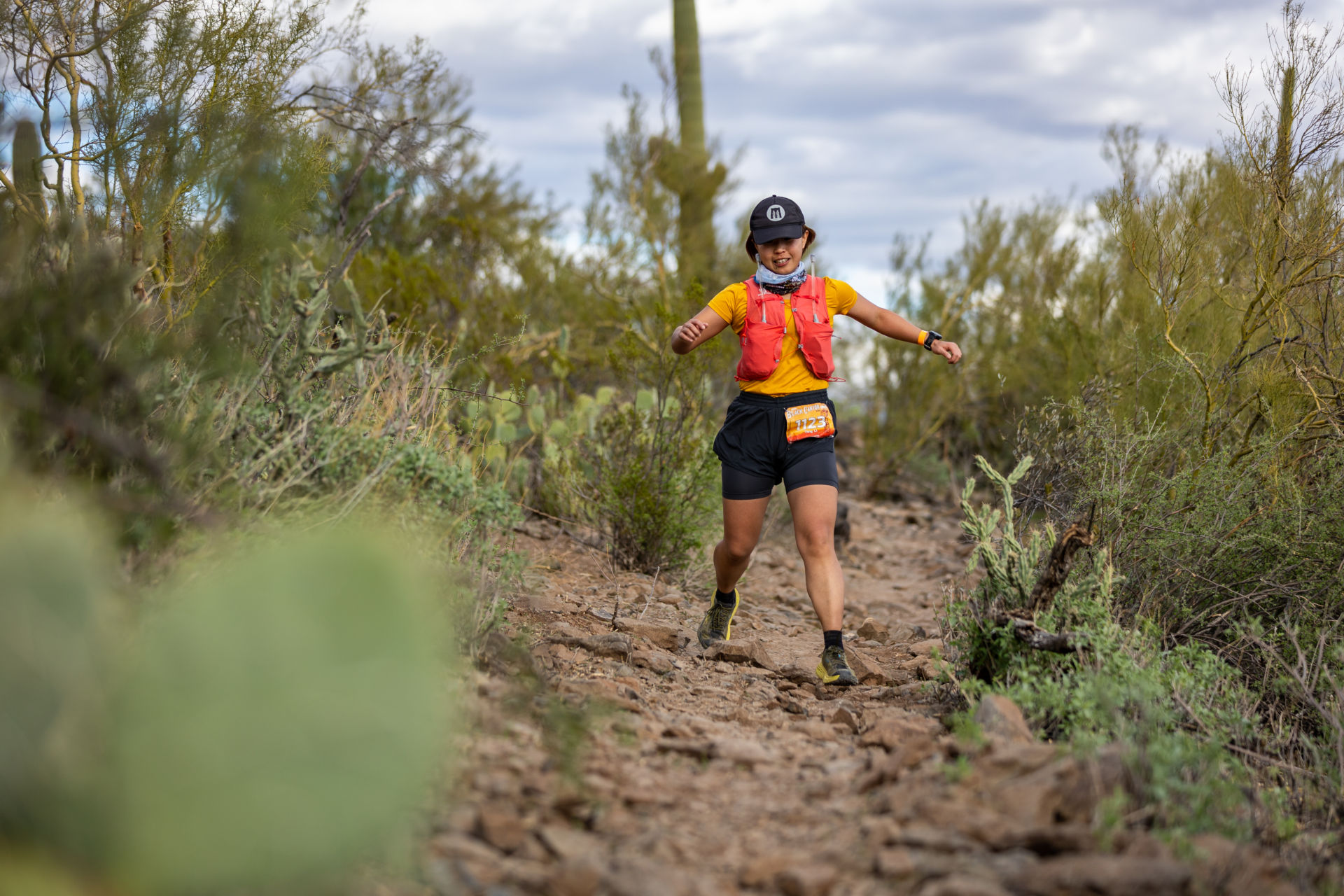
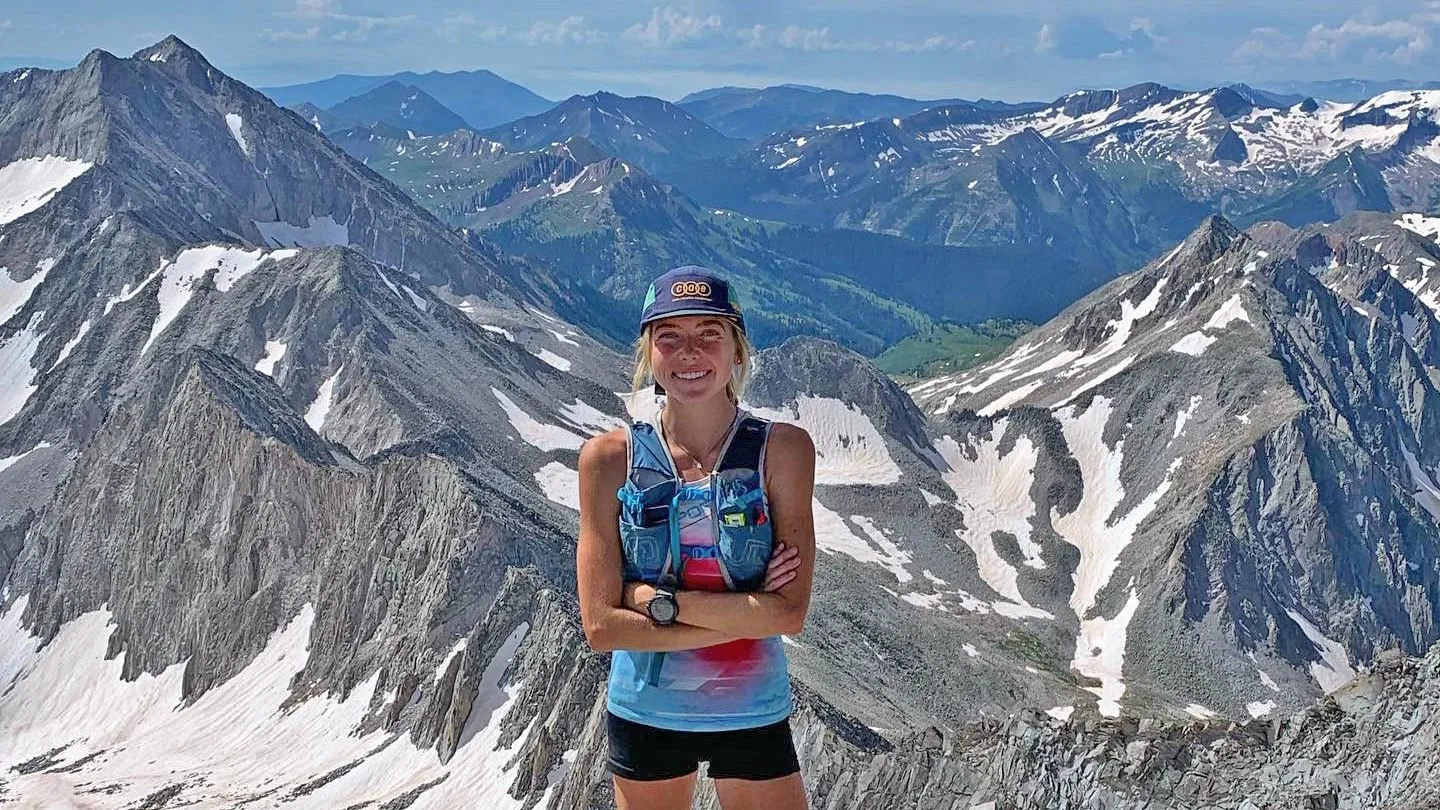
While most of us were bundled against winter chills, American athlete Erin Ton was setting new women's Fastest Known Times on Aconcagua, the Western Hemisphere's highest peak. According to iRunFar's reporting, Ton's achievement on the 22,837-foot Argentine giant represents the intersection of mountaineering prowess and ultrarunning fitness that's increasingly defining the sport's elite tier.
The Aconcagua FKT circuit has emerged as a proving ground for athletes seeking challenges beyond traditional course racing. Ton's success underscores a broader trend where top ultrarunners are gravitating toward FKT pursuits that offer adventure, autonomy, and the purest form of competition. The thrill of you versus the mountain, the clock, and yourself.
The Oldest Finisher: Michael Koppy's Arrowhead Triumph
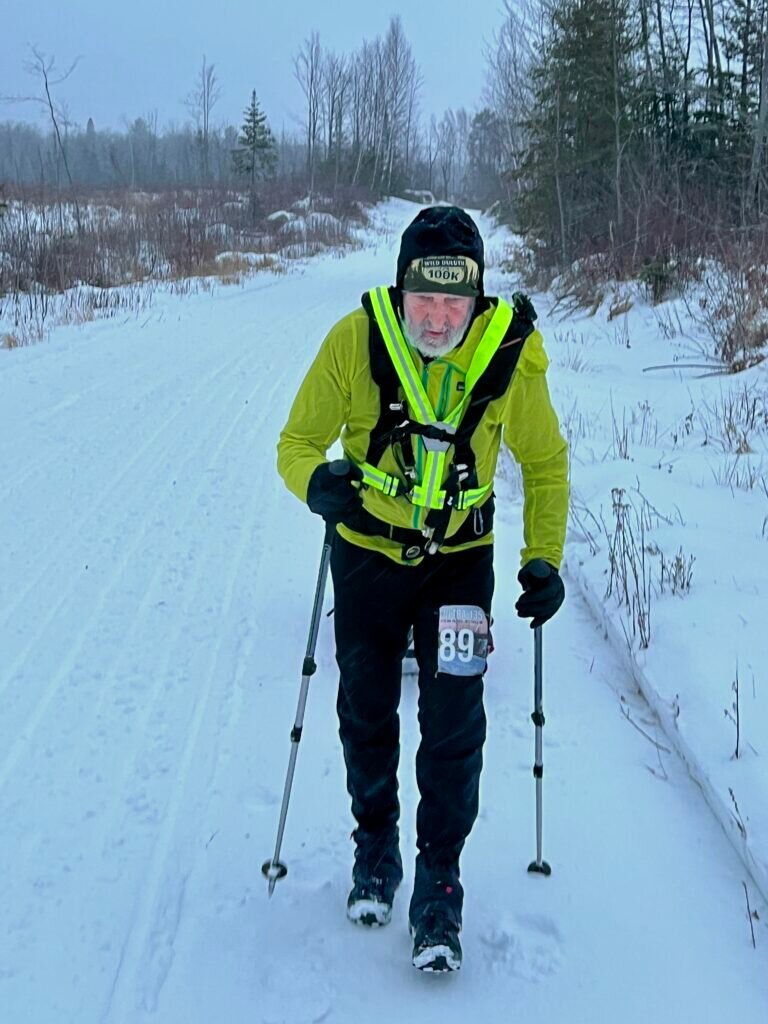
In the frozen wilderness of Minnesota, 75-year-old Michael Koppy became the oldest person to complete the Arrowhead 135, a winter ultra that traverses 135 miles of snow-covered terrain in temperatures that regularly plunge well below zero. iRunFar documented Koppy's achievement as a testament to what's possible when experience, preparation, and sheer determination converge.
Koppy's finish matters beyond the record books. In a sport often obsessed with speed and podiums, his accomplishment reminds us that ultrarunning accommodates and celebrates athletes across the age spectrum. The longevity question looms large for every ultrarunner: How long can I keep doing this? Koppy provides one compelling answer.
Training Science: Hip Efficiency and the Mobility-First Approach
iRunFar's training coverage has spotlighted hip efficiency as a critical component of ultrarunning performance. The emerging consensus among coaches and physical therapists is clear: if your hips are stiff despite regular stretching, the problem likely lies deeper than muscle length.
The hip mobility series emphasizes that traditional static stretching often fails to address the neuromuscular patterns that create perceived tightness. Instead, athletes are finding success with dynamic mobility protocols that challenge the hip complex through full ranges of motion under load.
Meanwhile, Runner's World has been emphasizing mobility work before strength training, a sequencing insight that's gaining traction among performance-minded ultrarunners. The new logic is to address movement quality first, then build strength on that foundation.
Gear Watch: Hoka Speedgoat 7 Arrives
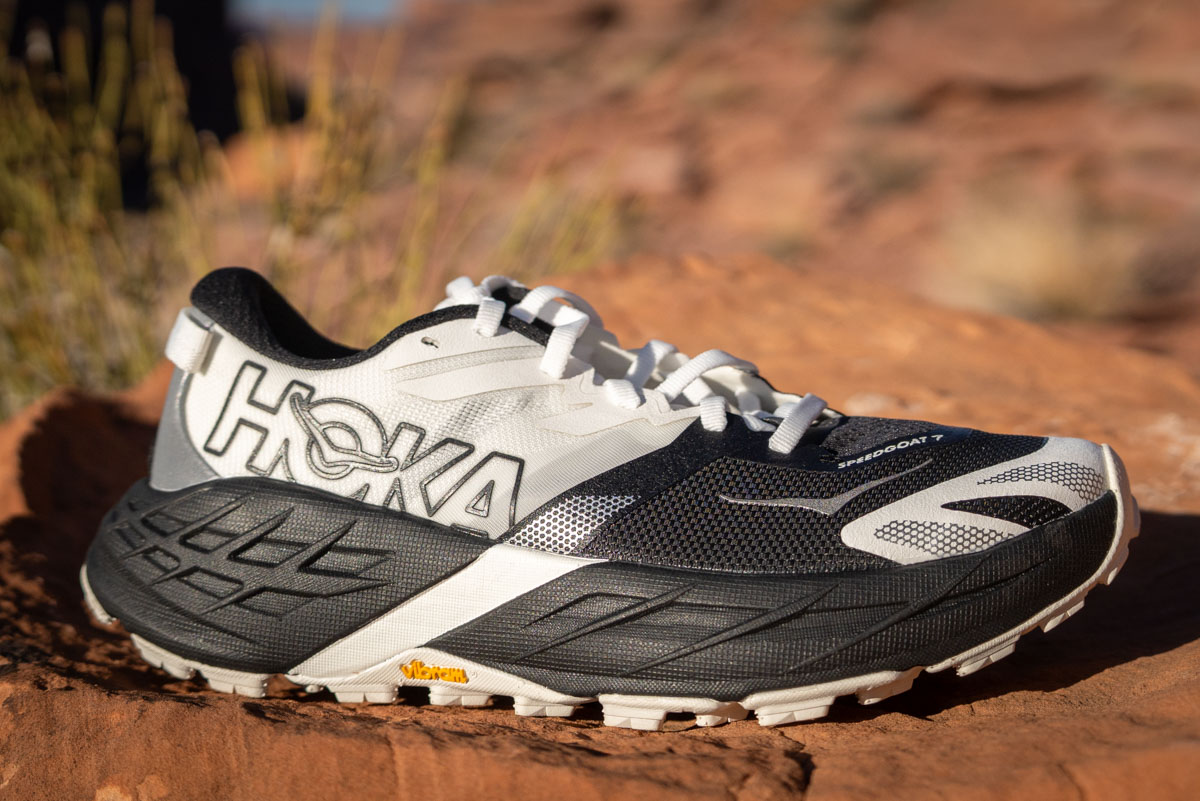
The Hoka Speedgoat 7 has dropped, and early reviews from iRunFar's gear team suggest an evolution rather than revolution. The Speedgoat line has become a default choice for many ultrarunners because they are versatile enough for training, capable enough for racing, and widely available.
The seventh iteration refines the formula: updated Vibram Megagrip outsole geometry, tweaked midsole density, and fit adjustments informed by athlete feedback. It's the kind of iterative improvement that characterizes mature product followings: less flash, more substance.
Notably, Scarpa's Spin Ultra 2 has also received favorable coverage, signaling that European brands continue pushing into the North American trail market. Competition benefits everyone.
Skyrunner National Series Returns to U.S. Soil
After a multi-year hiatus, the Skyrunner National Series returns to American trails in 2026. iRunFar reports that four races will comprise the inaugural return season, offering domestic athletes a structured pathway to compete for national titles without international travel.
The series' return reflects growing demand for organized, competitive infrastructure within U.S. trail running. While grassroots events remain the sport's backbone, formalized series create visibility, attract sponsors, and provide athletes with clear competitive objectives.
The Menstrual Cycle Conversation Deepens
RunUltra's coverage of menstrual cycle considerations, RED-S (Relative Energy Deficiency in Sport), and contraceptive impacts on endurance performance continues a vital conversation that's finally receiving the attention it deserves. For female athletes, understanding hormonal fluctuations is fundamental to sustainable performance.
The emerging guidance emphasizes individualization: what works for one athlete may not work for another, and the interplay between training load, nutrition, hormonal status, and recovery defies one-size-fits-all prescriptions. Progressive coaches are incorporating cycle tracking into periodization, adjusting intensity and volume to align with physiological realities.
Looking Ahead: What February's Final Weeks Hold
Black Canyon results will dominate headlines by week's end. Beyond the race, expect continued coverage of spring race previews, gear releases timed for the buying season, and training content aimed at athletes building toward April and May goal races.
The carbon plate debate simmers on and we may see continued course records falling as we head into the 2026 season and we're excited to watch women's participation in trail and ultrarunning as global numbers continue to equalize.